Rehabilitation of Daily Living Activities in Patients with Dressing Apraxia
Abstract
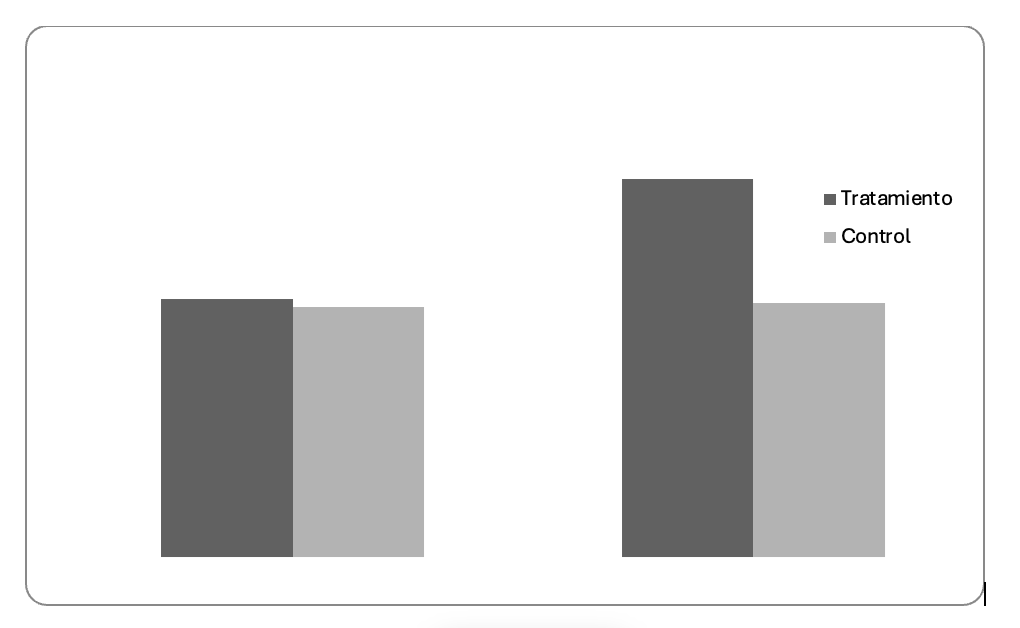
Praxias may include various complex motor activities. Classically, the apraxia is described as the disorganization of the sequence of movements required for an act (light a cigarette, open a door, etc.), what it is called "ideomotor apraxia" (Liepmann, 1900). Daily life activities (onwards ADL) are the set of the primary activities of the person, aimed at self-care and mobility, which provide it with autonomy and independence elementary and let you live without requiring continuous help from others. The aim of this study was to evaluate the effectiveness of a rehabilitation program on the performance of patients with apraxia of dressing. As a result a difference in performance between groups using as dependent variable the sum of right moves evaluated was found, and in turn improved the performance of the treatment group and not in the control. The results obtained in this study suggest that systematic rehabilitation produces learning in people with dressing apraxia.
Key Words: Rehabilitation; Occupational Therapy (OT); Daily life activities (A.D.L.); dressing apraxia; ideomotor apraxia.
Downloads
Published
How to Cite
Issue
Section
License
Copyright (c) 2017 María Florencia Durand, Lucas G. Gago Galvagno, Angel M. Elgier

This work is licensed under a Creative Commons Attribution-NonCommercial-ShareAlike 4.0 International License.
Articles published in this journal are protected under the Creative Commons Attribution-NonCommercial-ShareAlike 4.0 International (CC BY-NC-SA 4.0) license. This means that authors retain full rights over their research and publications at all times. As a journal, we fully respect and promote the principles of open access established by this license, allowing the work to be shared, adapted, and distributed for non-commercial purposes, provided that appropriate credit is given to the authors and any derivative works are licensed under the same terms.
Authors are responsible for obtaining the required permission when they wish to reproduce part of the material (figures, etc.) from other publications.
Likewise, CNPs allows authors to host in their personal sites or other repositories that they deem convenient the Final and Definitive Version of the published article with the format assigned by the journal. In no case do we allow access to preprints of the article under evaluation or already published.
When submitting an article to CNPs you are aware that all the contents of CNPs are under a Creative Commons License. In which it is allowed to copy and share the contents freely, always making reference to the origin of the publication and its author.